Premier Cabling & Bracing Central Florence
The Importance of Hiring an Arborist in Tree Management: Learn About Their Specialized Work
Hiring an arborist is vital for successful tree management. Their specific expertise permits for accurate assessments of tree health, managing pests effectively, and correct trimming methods. They also evaluate surrounding environmental conditions, customizing management strategies that ensure the long-term survival and well-being of your trees. Understanding the full range of services they offer is key to improving the vitality of your landscape. Exploring these expert services reveals the crucial nature of their function in maintaining a thriving ecosystem.
The Arborist's Essential Duties
While some might think tree maintenance is easy, looking closely at the arborist's role shows a profession that is significantly broader than basic maintenance. Arborists are highly trained specialists who specialize in tree well-being and security. Their knowledge covers identifying tree ailments, implementing effective pest control, and providing proper pruning techniques to guarantee ideal growth.
They also consider environmental conditions that impact the condition of the trees, such as soil quality and surrounding vegetation. They frequently perform hazard evaluations, especially in urban areas where trees may pose hazards to properties and people. Having expertise in tree life and local ordinances, arborists play a crucial role in promoting sustainable landscaping practices. Using sophisticated equipment and methods, they help maintain the aesthetic appeal and ecological balance of green spaces. Consequently, the arborist's role is essential for the future vitality and preservation of trees.
Benefits of Professional Tree Assessment
When an expert arborist evaluates your trees, the benefits extend far beyond simple visual inspections. A comprehensive tree evaluation involves judging the general condition, stability of the structure, and possible dangers related to the tree. They use advanced instruments and skills to pinpoint issues including ailments, pest infestations, and structural weaknesses that may not be visible to the untrained eye.
Moreover, professional assessments provide crucial insights into the specific needs of each tree, providing personalized treatment that promotes long-term health. Such a forward-thinking strategy helps in preventing future problems, lessening the possibility of expensive tree removal or structural damage. In addition, accurate assessments enhance the security of the surrounding environment, as arborists can make informed recommendations for maintenance or intervention. Overall, paying for a certified tree evaluation improves the lifespan and health of trees, supporting a thriving ecosystem.
Reliable and Productive Arboricultural Trimming Practices
Proper pruning is vital for preserving tree vitality and visual appeal. Certified trimmers utilize specialized methods to guarantee that cuts are made without risk and productively, limiting injury to the tree. Understanding these methods can significantly improve the lifespan and vitality of trees in any landscape.
The Value of Correct Trimming
Proper tree trimming is critically necessary in preserving the vitality and aesthetics of trees. Correct trimming methods help remove dead or diseased branches, allowing for improved airflow and light access, which is key to the complete vigor of the tree. Moreover, careful trimming can strengthen the tree's framework, minimizing the chance of harm during storms. Visually speaking, well-pruned trees improve the scenery, creating a pleasing aesthetic in home and business environments (Florence Arborist). On top of this, good cutting practices promotes robust development and minimizes the likelihood of insect problems. By utilizing the skill of an arborist, tree owners can ensure their trees get the right care, finally boosting the lifespan and vigor in pertinent details their greenery
Practices for Risk-Free Cutting
Appropriate practices for risk-free cutting are vital for maximizing tree health and ensuring the safety of the tree as well as the individual performing the work. Arborists emphasize the importance of using clean, sharp tools to perform exact trimming, which lowers the possibility of damage and harm to the tree. Correct trimming methods involve the three-cut method for thicker limbs, which avoids bark damage. It is equally essential to prune during the tree's resting phase to reduce strain. Tree experts advise taking off a maximum of 25% of a tree’s foliage at once to avert stress. Furthermore, understanding tree growth patterns and not cutting too near the main stem preserves the tree's structural soundness and promotes healthy regrowth.
Diagnosing Ailments and Available Treatments
Pinpointing tree sicknesses calls for a careful watch and a structured procedure, as every disease can exhibit specific indicators. Arborists utilize their expertise to identify specific issues such as fungus-related diseases, ailments caused by bacteria, and harmful pest activity. The process starts with checking leaves, outer layer, and root systems, watching for fading, wilting, or abnormal development that might indicate a problem
(Florence Arborist)After a diagnosis is reached, specialists advise on the best treatment plans tailored to the specific disease. Treatments may include spraying anti-fungal or anti-insect agents, using correct irrigation methods, or changing the pH balance of the earth. Additionally, arborists often stress the necessity of ensuring comprehensive tree vitality through adequate feeding and maintenance
The Value of Taking Down Trees and Grinding Stumps
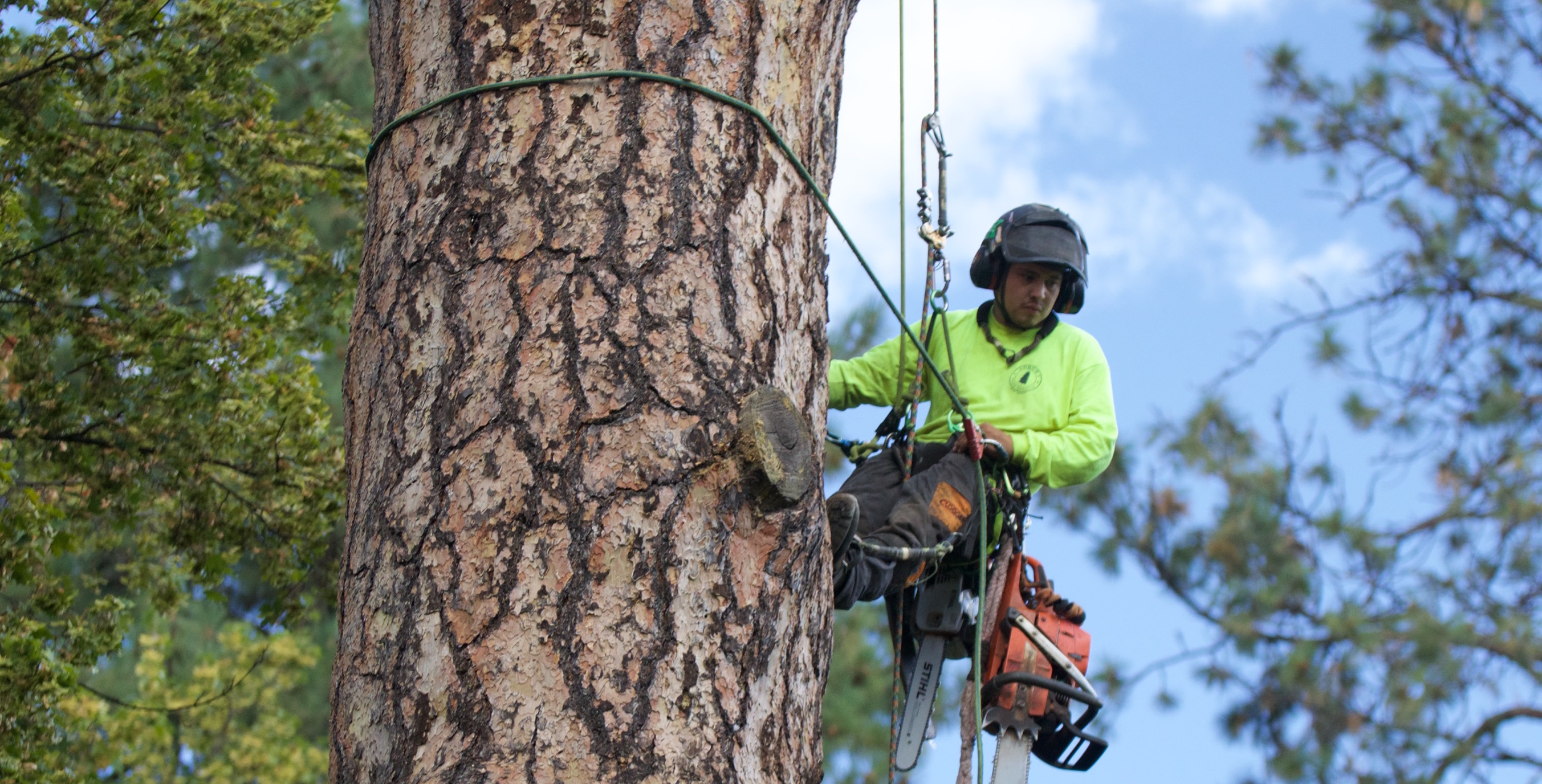
Removing trees and grinding stumps is vital for maintaining safety in landscaped areas, as compromised or hazardous trees can pose significant hazards. In addition, eliminating stumps improves the look of the landscape and avoiding possible bug invasions. Understanding these factors highlights the necessity for contracting an expert tree professional for successful tree management.
Assessing Potential Dangers
Conducting a thorough safety risks assessment is imperative when planning tree extraction and stump elimination. This evaluation identifies potential hazards, such as compromised boughs, closeness to buildings, and underground utilities. Experts use their skill to determine the safest approach for taking down trees, guaranteeing minimal risk to people and possessions. Experts examine the health of the tree, nearby area, and current climate, all of which can influence safety during the removal process. In addition, the process of grinding stumps carries unique dangers, including the potential for injury from machinery or flying material. A comprehensive hazard evaluation mitigates these risks, allowing for a more efficient and safe execution of tree care services. Engaging a professional arborist makes certain every safety standard is carefully met.
Aesthetic Landscape Improvement
While maintaining a beautiful landscape increases the value and attractiveness of your property, the presence of dead or overgrown trees diminishes its beauty. Removing trees is frequently essential for refreshing outdoor areas, which allows more sunlight to penetrate and promoting the growth of adjacent plants. Furthermore, ugly stumps cause visual disruption and pose tripping hazards. The process of stump grinding offers a remedy, effectively removing the remnants of felled trees and bringing back a smooth look to the landscape. If you engage an arborist, clients can be certain that tree removal and stump grinding are completed in a safe and efficient manner. This expert service improves more than just the visual appeal but also fosters a healthier ecosystem for current vegetation, ultimately leading to a more inviting and attractive outdoor space.
Keeping Pests Away
A pleasant exterior space is easily ruined by the presence of dead or decaying trees, as these trees often harbor pests. Pest problems can cause considerable harm, not only to the trees themselves but also to structures and plants in the vicinity. It is essential to hire an arborist to identify risky trees and figuring out if they should be removed. Furthermore, stump grinding gets rid of potential pest homes left by uprooted trees, which helps safeguard the landscape. Regular inspections and proactive measures, such as tree removal and stump grinding, assist in keeping the ecosystem healthy, avoiding expensive pest problems. Ultimately, an experienced arborist guarantees that outdoor spaces remain vibrant and pest-free, maintaining both the look and the ecological health.
Expert Advice on Tree Placement and Landscape Design
Strategically positioning trees significantly improves the beauty and the ecological health of an outdoor space. Specialists give informed advice on which tree species to select that will flourish in particular settings, considering factors such as soil type, sunlight, and climate. They stress the necessity of adequate distance, making sure trees have enough space to develop preventing competition for necessary resources.
Furthermore, arborists evaluate the landscape's complete design, suggesting where to place trees so they fit well with existing plants and structures. This intentional positioning doesn't just enhance the visual balance but also encourages biodiversity by drawing in wildlife.
In addition, they advise on the alignment of trees to form organic wind barriers and provide shade, enhancing energy efficiency for neighboring properties. By leveraging their expertise, landowners can foster environments that are aesthetically pleasing yet environmentally sound, contributing to enduring fulfillment and environmental stewardship.
Continuous Upkeep and Nurturing for Tree Health
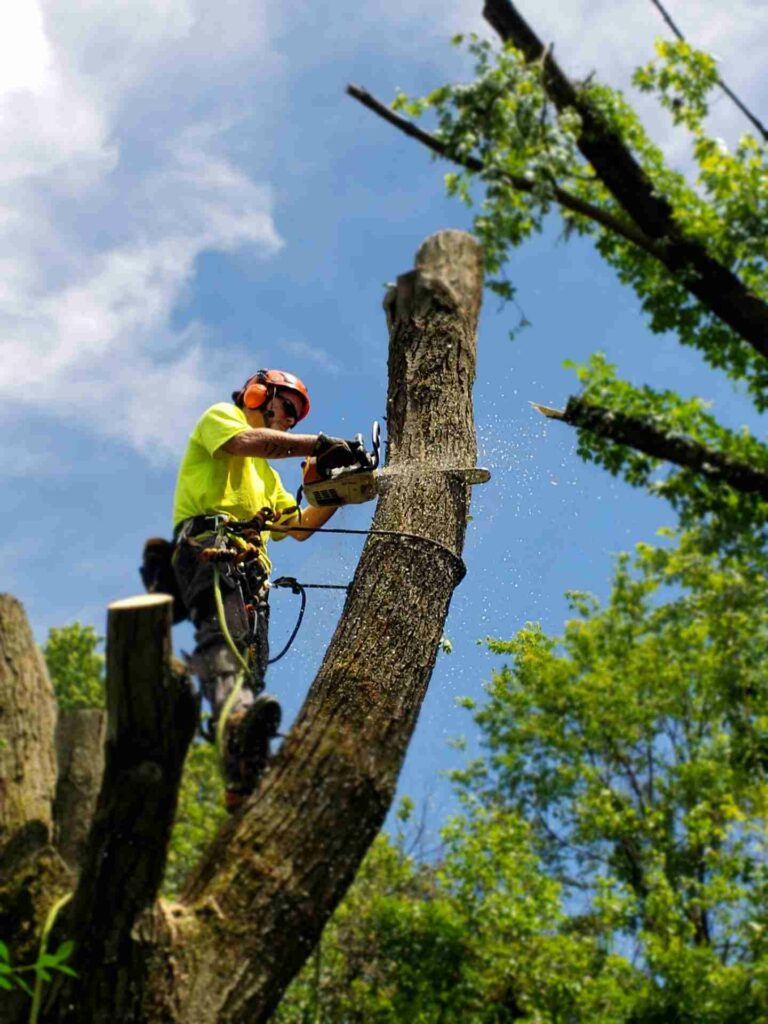
Consistent care is essential for ensuring the long-term health and energy of trees in every environment. Tree specialists provide expert assistance that include regular inspections, pruning, and pest management, all aimed at promoting ideal growth and preventing disease. By keeping track of tree vitality and ground composition, they are able to spot looming problems before they become serious, sparing clients expense and effort.
Regular trimming assists in preserving the tree's form and eliminating diseased or decaying wood, enabling greater movement of air and light penetration. Specialists further share knowledge on correct irrigation methods and mulch application routines that enhance soil quality. Furthermore, they are able to suggest nutrient application timelines designed for individual arboreal varieties, making certain they get the required nourishment.
Commonly Asked Queries
How should I go about picking the right tree specialist for What I Need Done?
To choose the right arborist, it is important to check qualifications, assess experience, check client feedback, and request quotes. Moreover, detailing your exact needs confirms the hired specialist is consistent with personal expectations and tree care requirements.
What Certifications Should I Look for in a Tree Specialist?
While picking a tree specialist, it is wise to find accreditations such as ISA (International Society of Arboriculture certification), TCIA (Tree Care Industry Association accreditation), and regional permits, ensuring the professional has the necessary expertise and training.
How Often Should I Hire an Arborist for Arboriculture Services?
An arborist should be hired at least once a year for routine maintenance, however, increased visits could be needed for newly planted trees or trees facing particular health issues, securing healthy maturation and durability.
Can Arborists Help With Tree-Related Legal Issues?
Absolutely, tree specialists are able to help with legal matters pertaining to trees (Florence Arborist). They provide expert assessments, documentation, and testimony concerning the vitality, security, and care of trees, aiding in settling disagreements related to property lines, liability, and local regulations successfully
What Should I Expect During the First Meeting With an Arborist?
In the first meeting, the arborist evaluates the condition of the tree, addresses your issues, gives advice, and details necessary work. Clients should look forward to a thorough evaluation and receive specialized recommendations focused on their individual tree care issues.